How Proper Cutting and Timing Protect Tree Health and Nearby Plants
Healthy trees add value, shade, and safety to any property. Disease can change that fast. Many tree diseases spread through weak limbs, crowded branches, and open wounds. Pruning controls these risks when done the right way. It removes infected growth before it spreads. It also improves air flow and light. These changes help trees fight disease on their own. Understanding how pruning works helps you make better care choices. It also lowers long-term costs and loss.
Why Early Pruning Reduces Disease Risk
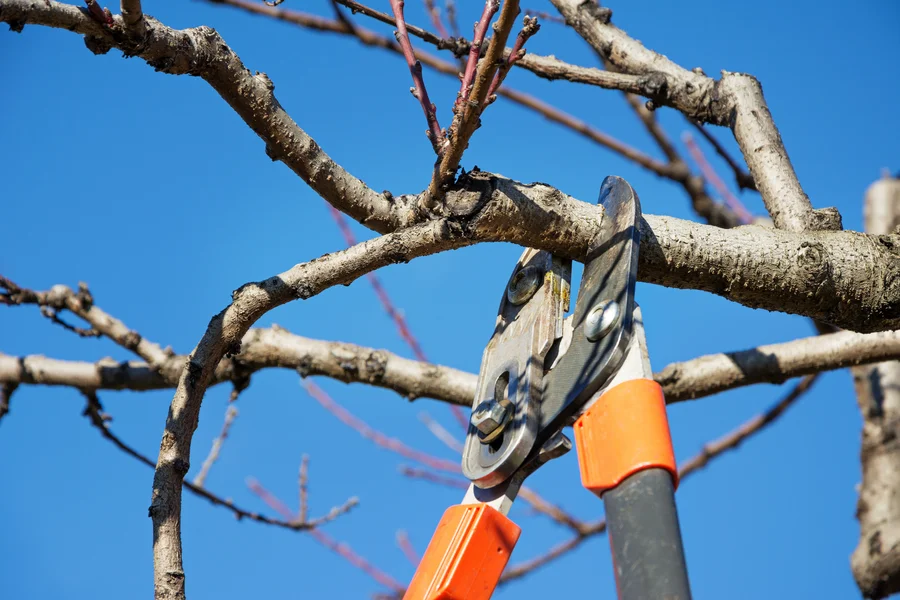
Early pruning stops problems before they grow. Removing dead or sick limbs limits contact with healthy areas. Many property owners use tree pruning services to handle this work during safe seasons. Timing matters because some diseases spread through fresh cuts. Early action lowers that risk. Clean cuts also heal faster and reduce open wounds. This simple step protects the whole tree from long-term harm.
Key Health Benefits for Trees and Landscapes
Pruning offers clear health gains for trees and nearby plants. Professional tree pruning services focus on balance and structure. This approach reduces stress on limbs. It also limits moisture buildup that feeds fungi. Healthier trees resist insects better. A well-kept canopy also protects grass and shrubs below. These benefits improve the full landscape, not just one tree.
Common Problems Caused by Poor Pruning
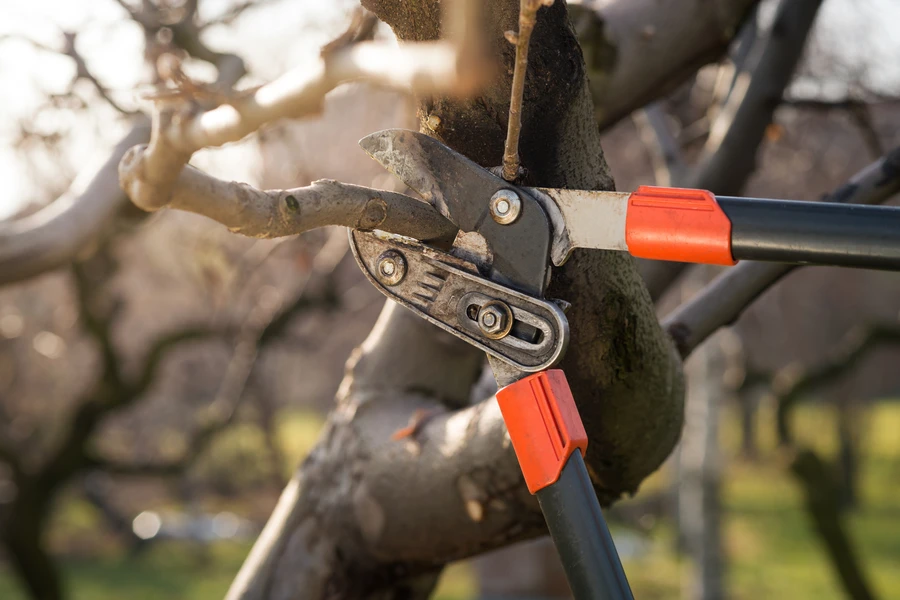
Bad pruning causes more harm than no pruning. Wrong cuts leave sharp stubs. These stubs invite bacteria and pests. Over-pruning removes too much leaf area. This weakens the trees food supply. Cutting at the wrong time spreads active disease. Many problems start with rushed or unplanned work. Once damage begins, disease can spread across the yard.
Steps That Help Stop Disease Spread
A clear process reduces mistakes and risk. Each step plays a role in tree safety. Following a proven method improves results and limits disease transfer.
- Inspect the tree for cracks, dead limbs, and discoloration
- Clean tools before and after each cut
- Remove infected branches first to limit spread
- Cut at proper angles to support healing
- Dispose of debris away from healthy plants
Best Practices Backed by Tree Care Experts
Experts follow simple rules that protect trees year after year. These best practices lower risk and improve recovery.
- Prune during dormant seasons when possible
- Avoid topping or heavy cutting
- Use sharp, clean tools every time
- Limit cuts to necessary areas only
- Watch trees after pruning for changes
Industry Standards and Local Rules
Tree care follows industry guidelines to protect health and safety. Groups like ANSI set pruning standards. These standards define cut types and limits. Many towns also control when and how trees get trimmed. Protected species may need permits. Following rules avoids fines and stress. It also ensures trees recover without added risk.
Cost Factors and Long-Term Value
Pruning costs vary by size, height, and condition. Early care costs less than disease treatment later. Regular maintenance prevents emergency removal. It also protects nearby homes and power lines. Healthy trees last longer and need fewer repairs. Over time, careful pruning saves money and protects property value.
Clear Guidance for Safer Tree Care Decisions
Protecting tree health takes planning and skill. Located in Kelowna, BC, we focus on pruning practices that limit disease and support growth. Tree Climbing Tactics applies proven methods that follow industry rules and local needs. Call (236) 457-7184 to discuss options that protect trees and the surrounding landscape for years ahead.