What to Do When Storms Leave Trees Unsafe and Property at Risk
Severe storms can change a property in minutes. Lightning can split a trunk. Heavy wind can twist roots from the soil. Trees that once felt safe may now lean, crack, or hang over homes. These conditions put people and buildings in danger. Fast and informed action matters after a storm. Knowing the risks, options, and proper steps helps protect your home and your family. This guide explains how storm damage affects trees and what actions reduce further loss.
Why Storm Damage Creates Immediate Risk
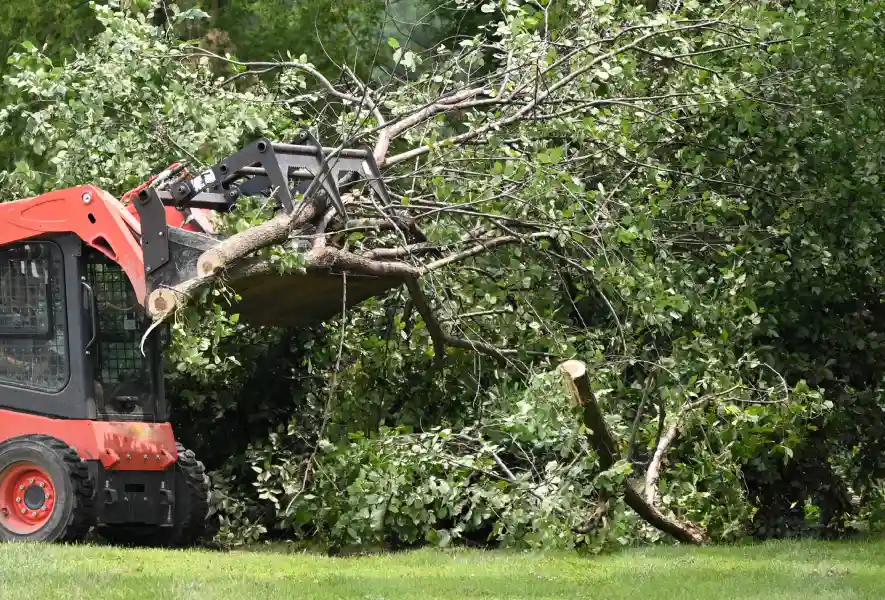
Storms weaken trees in ways that are not always easy to see. A lightning strike can burn the core of a trunk. Strong gusts can break support roots underground. Emergency tree removal becomes necessary when a tree shows signs of sudden failure. A damaged tree can fall without warning. It may land on roofs, cars, or power lines. Acting early lowers the chance of injury and property damage.
When Fast Action Prevents Larger Losses
Delays after a storm often lead to higher repair costs. Emergency tree removal helps stop small problems from growing worse. A leaning tree may slide further with rain. A cracked limb can break free at night. Quick service also helps restore access to driveways and walkways. Speed matters when safety is at stake.
Benefits of Professional Response
Trained crews know how to handle unstable trees. They use proper gear and tested methods. Professionals assess load, lean, and root hold before cutting. This approach reduces accidents and damage. Licensed teams also carry insurance. That coverage protects you if an accident occurs. Expert work saves time and lowers stress during recovery.
Common Problems After Lightning or High Winds
Storm damage creates several common tree issues. Each problem brings a different level of risk. Understanding them helps you decide the next step.
- Split trunks that weaken overall strength
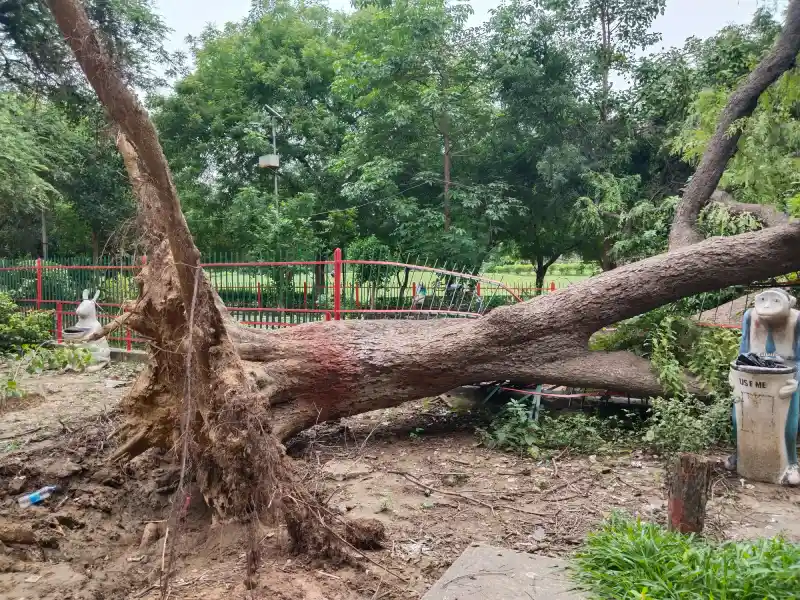
- Uprooted trees with exposed root plates
- Broken limbs hanging over structures
- Hidden cracks under bark damage
Step-by-Step Safety Process
- Check the area from a safe distance
- Keep people and pets away from damaged trees
- Document damage for insurance claims
- Contact trained tree specialists for assessment
- Schedule controlled removal or stabilization
Best Practices That Protect Property
- Schedule regular pruning before storm season
- Remove dead or weak trees early
- Watch soil movement after heavy rain
- Avoid do-it-yourself cutting on unstable trees
Pros and Cons of Immediate Vs Delayed Action
- Immediate action reduces injury risk and limits damage
- Fast service may cost more during peak demand
- Delayed action saves short-term cost but raises danger
- Waiting can void some insurance coverage
Rules, Permits, and Industry Standards
Many cities require permits for tree work. Protected species may need approval before cutting. Utility lines also follow strict safety rules. Professional crews follow national safety standards. These include proper distances from power lines and use of certified equipment. Compliance avoids fines and legal issues.
Cost Factors and Value Planning
Pricing depends on tree size, location, and damage level. Trees near homes or wires cost more to handle. Storm timing also affects rates due to demand. Insurance may cover part of the cost. Quick documentation improves claim success. Proper planning balances safety, cost, and long-term value.
Get Help Fast After Storm Damage With Care
When storms leave trees unsafe, fast action protects people and property. Located in Kelowna, BC, we focus on safe solutions during urgent situations. Tree Climbing Tactics handles hazardous tree conditions with trained crews and proper equipment. Call (236) 457-7184 to discuss next steps and restore safety with confidence.